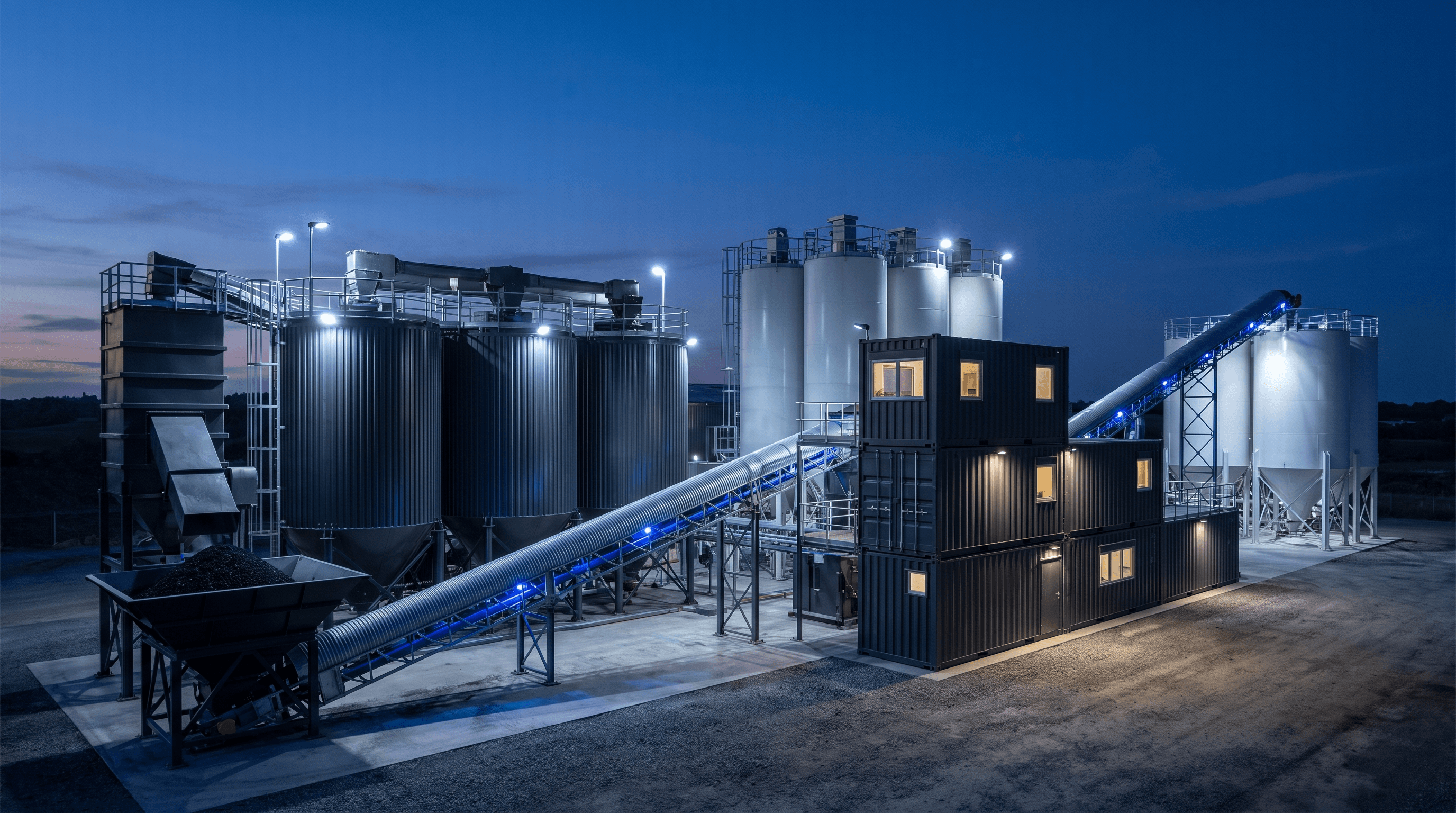
Waste in. Permanent value out.
Electrochemical and mineralization technology that turns smelter waste, desalination brine, and CO₂ into permanent minerals, clean fuels, and treated water.
 Waste-to-Value
 Minerals & Materials
 Fuels & Chemicals
 Water Treatment
 Partnerships


From waste feedstock to verified tonne.
Four steps, one disciplined chain. Every train is designed on the Karbonia Master Model and closes on a registry record.

Waste feedstocks in
Aluminium black dross and SPL, desalination reject brine, and captured CO₂ arrive as engineered feedstock streams.

Electrochemical & mineralization trains
Model-selected electrochemical and mineralization trains run under explicit safety gates.

Products out
Permanent carbonate minerals, aluminium hydroxide, lithium carbonate, clean fuels, and treated water leave the gate as product.
Every tonne verified
Each case exports a hash-traceable MRV record to the registry. Performance figures stay model-computed and pilot-pending until piloted.

Three families of value.
Minerals & Materials
Carbonate minerals and low-carbon building materials that hold CO₂ permanently.

Fuels & Chemicals
Hydrogen and methanol designed on validated kinetics and priced by the model.

Water
Brine resource recovery and industrial treatment. Water leaves cleaner than it arrived.
Eight solutions.
Each solution is a complete process train: design basis, set-points, economics, and MRV, deployed with partners by field and territory.


*Model-computed at stated reference scale; indicative and subject to pilot validation. Cluster figure is gross value excluding CAPEX/OPEX.
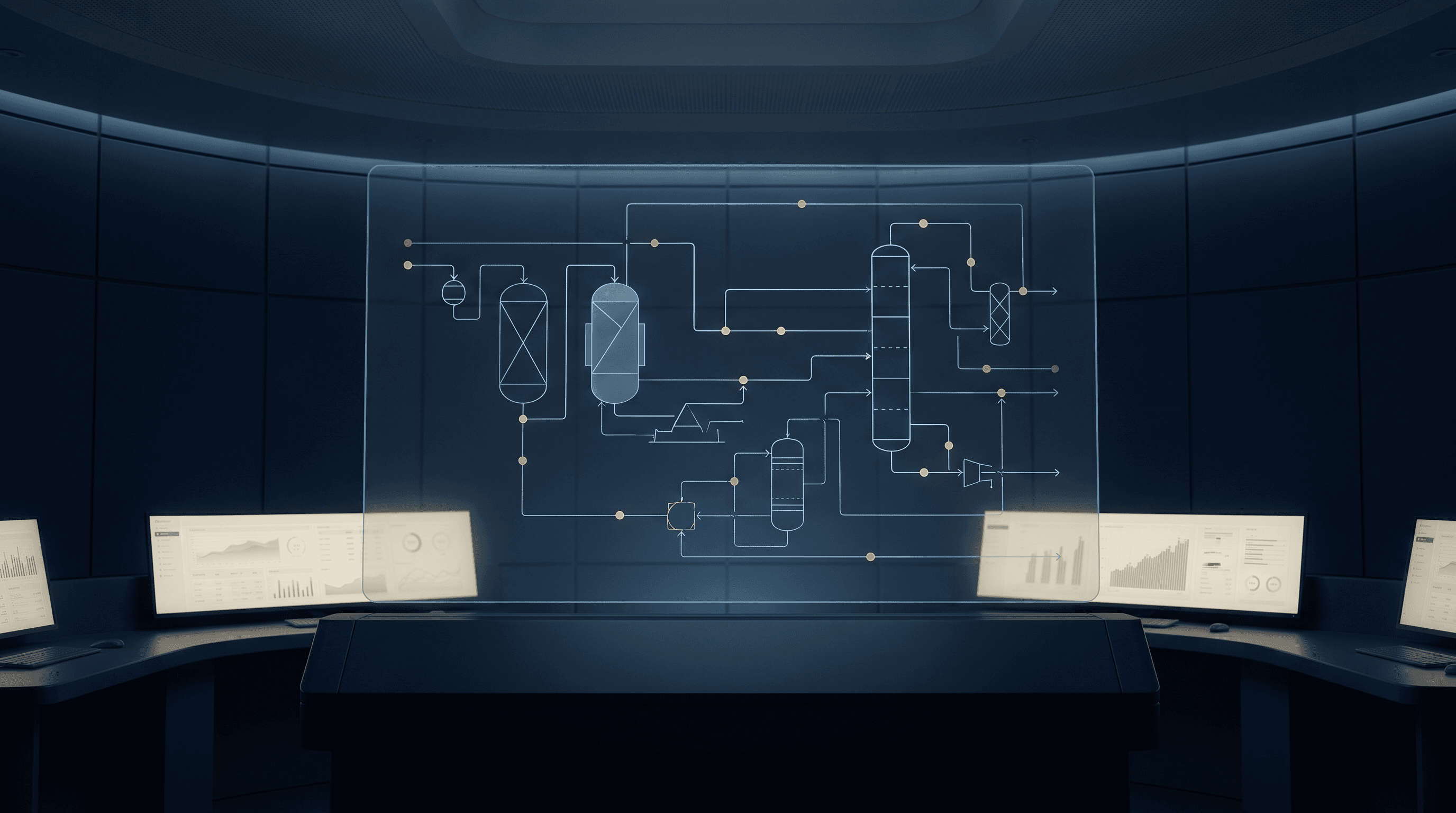
 One model behind every decision.
 Model capability
Two independent engines check every result before it is reported.
 Model capability
41 industrial-grade unit operations for full process trains.
 Model capability
Every parameter traced to published science.
 Model capability
Every capability is labelled by how it was validated.
 Model capability
Matches the industry-standard simulator on benchmark cases.
 Model capability
Every case exports a hash-traceable record to the RV registry.
Verified counts · 2026-07-02
Inside the Karbonia Model Equilibria
 Kinetics
 Electrochemistry
 Distillation
 Crystallization
 Economics
 Uncertainty
 MRVWaterMinerals
Reference deployments, specified like projects.
Karbonia engineers reference designs rather than operating plants. Each case below is a Master-Briefing design basis a partner can deploy.
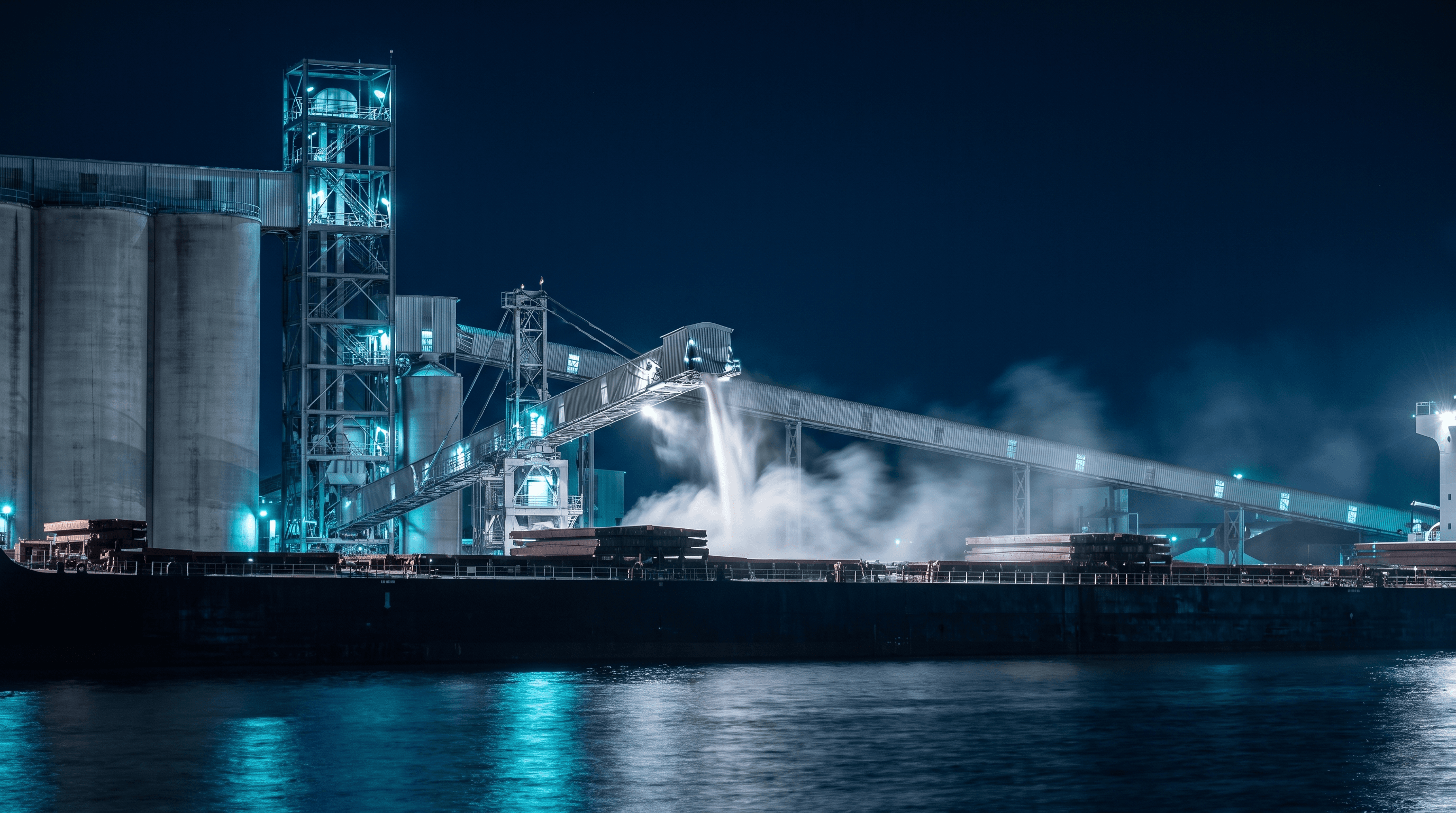

DrossLoop treatment train
Chemical-only black-dross train co-located at an aluminium smelter; recovered salts, Al(OH)₃ precursor, and carbonate leave as product.
Per-tonne-dross design basis Smelter-adjacent · KSA
 Model-validated · pilot-pending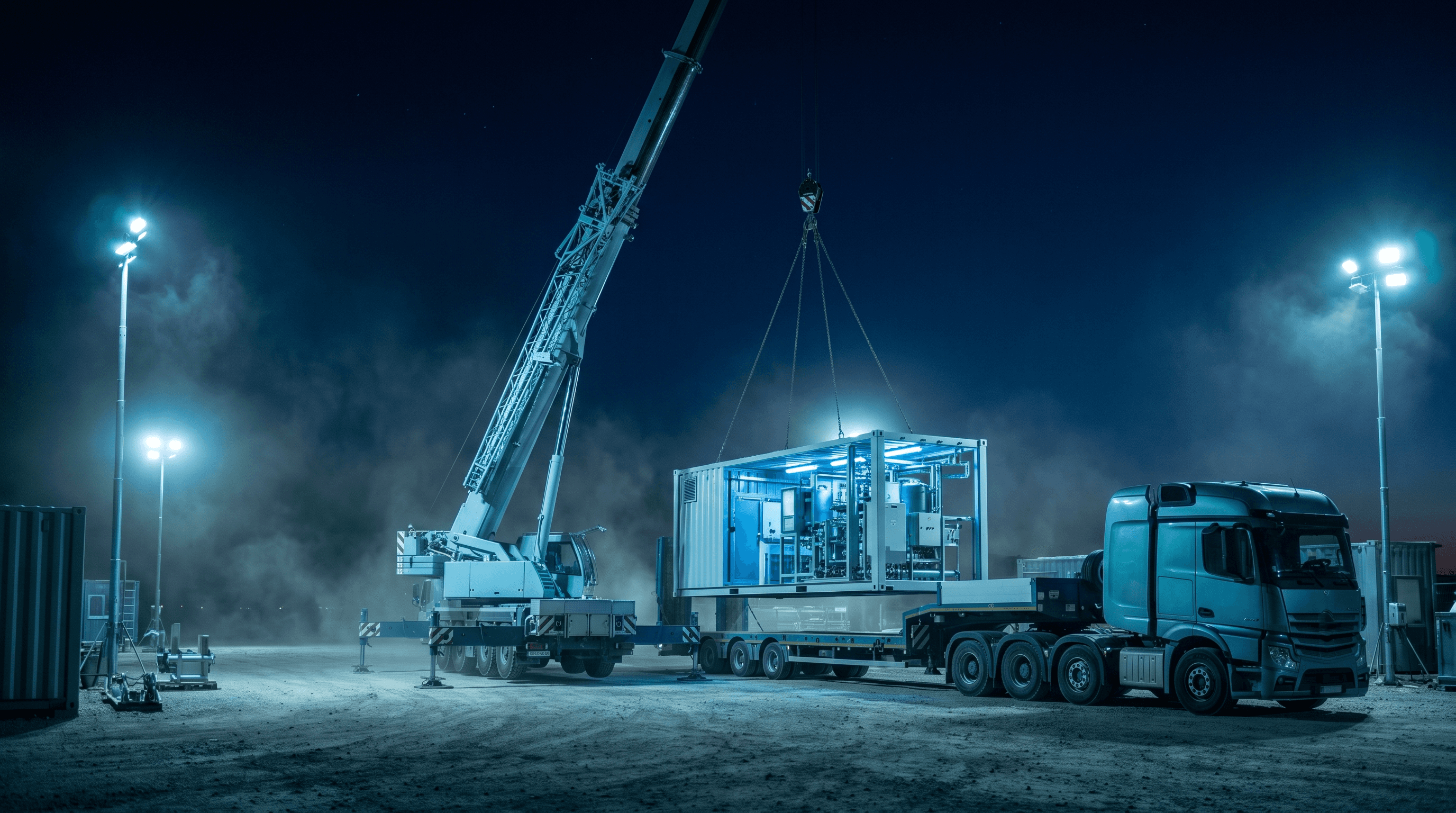

Brine resource-recovery module
SWRO-integrated module recovering magnesium products, carbonate, and treated water from reject brine at the outfall.
SWRO slipstream design basisCoastal desalination · Red SeaModel-validated · pilot-pending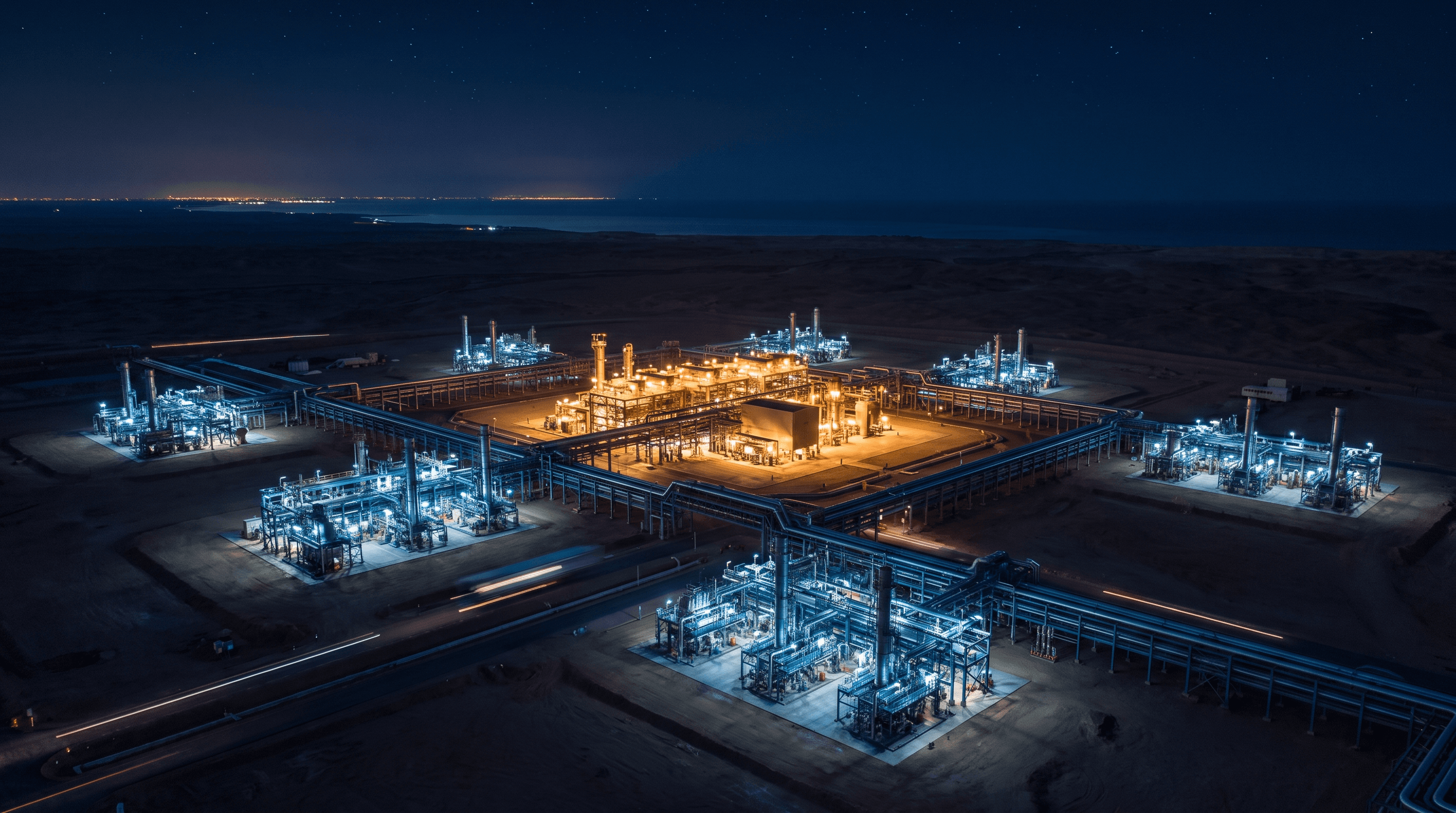

Karbonia industrial cluster
Smelter, desalination, and data-centre streams paired into one mineralization cluster with shared logistics and MRV.
Multi-plant cluster design basisIndustrial city · KSADesign basis · partnershipReference cases are Master-Briefing design bases computed on the Karbonia Master Model; figures are indicative and subject to pilot validation.
Proprietary technology. Deployed with partners.
 Technology partnerships
Structured by field and territory with Renewable Vision projects and industrial partners.
 Site deployments
Per-site programs tied to a Master Briefing design basis, with set-points, safety gates, and MRV wiring included.
Shared valueCommercial terms follow deployed production, structured per field and territory.
Partner on the technology, or co-develop the next deployment.
Karbonia partners by field of use and territory, and engineers each deployment on the Master Model before commitment. Smelters, desalination operators, data-centre developers, cement producers, project developers, and investors: start with a scoping call.